What Causes Alopecia? Early Signs, Treatments, And Prevention Tips
Alopecia, a condition that can lead to significant hair loss, is not just a cosmetic issue but can profoundly affect your self-esteem. Understanding the various causes of alopecia, recognising early symptoms, and knowing effective treatment options can empower you to take control of your hair health. It's essential not only to be informed but to take proactive steps to manage hair loss.
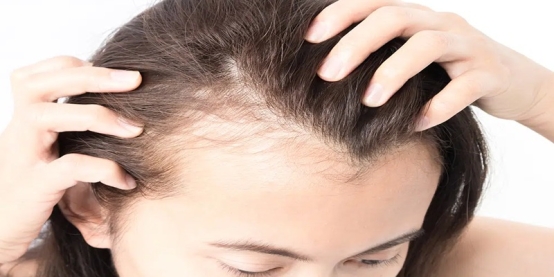
What Causes Alopecia? Understanding The Root Factors
The causes of alopecia can be diverse, with several key factors contributing to this prevalent condition:
Genetics: One of the most significant contributors to alopecia is your genetic makeup. Conditions such as androgenetic alopecia, also known as male or female pattern baldness, are often hereditary. This genetic predisposition results in gradual hair thinning. Studies have shown that if you have family members who suffer from hair loss, your chances of experiencing similar issues increase dramatically. Genetic markers have been identified, making understanding your family history vital for anticipating and managing hair loss.
Autoimmune Responses: Alopecia areata is another critical form of hair loss attributed to an autoimmune disorder. In this case, the immune system mistakenly attacks hair follicles, leading to sudden and patchy hair loss. While the exact cause remains unexplained, both genetic and environmental factors are believed to trigger this condition. For more insights on this topic, the National Institutes of Health (NIH) offers extensive information.
Hormonal Changes: Hormones play a pivotal role in hair health. Shifts during pregnancy, menopause, or thyroid dysfunction can exacerbate hair loss. Women, in particular, often notice that hair shedding increases postpartum when hormone levels fluctuate dramatically.
Environmental Factors: External factors can also lead to hair thinning. Prolonged Stress, certain medications, and exposure to environmental toxins can disrupt the hair growth cycle and contribute to hair loss. Stress can not only slow hair growth but may also lead to increased shedding, complicating the issue. Understanding these triggers can help mitigate their impact on your hair health.
Recognising Early Symptoms Of Alopecia
Identifying early symptoms of alopecia is crucial for effective intervention. Keep an eye out for these indicators:
Patchy Hair Loss: One of the first signs is the appearance of small bald patches on your scalp or other areas. Have you noticed areas where hair seems to be thinning or missing? These patches can develop quite suddenly, making them hard to overlook.
Thinning Hair: If your hair has been feeling less voluminous, particularly at the crown, this could be a warning sign. Are you seeing your scalp more than before? Gradual thinning may suggest an impending risk of more significant hair loss.
Changes in Hair Texture: Hair that was once thick and robust may become brittle or weak before it falls out. Do you find more hair in your brush than usual, or is it feeling different to the touch? Any changes in texture warrant a consultation with a healthcare professional for insights and guidance.
Treatment Options For Alopecia Areata
When it comes to treating alopecia areata, a range of options is available that cater to different severity levels:
Topical Treatments
Over-the-counter products such as minoxidil (Rogaine) are popular. This topical solution has been widely studied and is known for promoting hair regrowth in various types of hair loss. Research indicates that minoxidil can stimulate hair follicles in individuals with alopecia areata, improving hair density, especially in cases of less severe hair loss. Regular application yields the best results, and managing expectations regarding hair regrowth timelines is essential.
Corticosteroids
Healthcare specialists frequently prescribe corticosteroids to combat inflammation associated with alopecia areata. By targeting the immune response and reducing scalp irritation, these medications can stop hair loss and promote regrowth. Treatments can be topical or injected directly into affected areas, and many individuals experience significant improvement within months of starting the regimen.
Immunotherapy
For severe cases of alopecia areata, immunotherapy represents a more advanced treatment approach. This involves applying allergens, such as diphencyprone (DPCP), to the scalp to provoke an immune response that may encourage hair regrowth. Studies published in the Journal of the American Academy of Dermatology indicate that about 60% of patients achieve satisfactory regrowth with this method, especially when combined with additional therapies.
Natural Remedies
In addition to conventional treatments, many people explore natural remedies, including biotin supplements and essential oils like rosemary and peppermint. While the scientific backing for these alternatives varies, their perceived safety and holistic nature make them appealing to many. Always consult healthcare professionals before starting any new treatment to ensure it is compatible with your health conditions.
Practical Prevention Tips For Alopecia
Prevention is often more manageable than treatment. Here are some practical tips to foster hair health and minimise the risk of alopecia:
Maintain a Healthy Diet: A well-rounded diet filled with vitamins and minerals like biotin and omega-3 fatty acids is fundamental. Foods rich in these nutrients, like eggs, nuts, and fatty fish, not only encourage healthy hair growth but also support scalp vitality. Hydration is equally essential; drinking sufficient water nourishes hair follicles and can help reduce hair loss.
Stress Management: Since chronic Stress contributes to hair loss, implement stress-reducing techniques into your routine. Practices such as Yoga and meditation can significantly enhance relaxation and emotional wellbeing. Physical activities, even simple ones like walking, can alleviate Stress and foster a supportive environment for hair health.
Proper Hair Care: Adopting gentle hair care practices is crucial to preventing damage and loss. Avoid tight hairstyles that tug on your roots and refrain from using harsh chemicals found in many hair products. Opt for sulfate-free shampoos and conditioners, and limit the use of heat styling tools to preserve hair integrity.
FAQs About Alopecia
What is the difference between alopecia areata and androgenetic alopecia?
Alopecia areata is an autoimmune condition that causes patchy hair loss and affects people of all ages. In contrast, androgenetic alopecia is a hereditary condition leading to progressive thinning, primarily at the crown or temples. Essentially, alopecia areata results from immune dysfunction, while androgenetic alopecia stems from genetic predisposition.
Can alopecia be cured?
At present, there is no definitive cure for alopecia. While a variety of treatments exist to alleviate symptoms and stimulate hair regrowth, results vary significantly among individuals. Options like corticosteroids, topical treatments, and light therapy can help manage the condition but may not eliminate it.
Is hair loss reversible?
With appropriate treatments, hair regrowth is possible, particularly in cases like alopecia areata. However, for androgenetic alopecia, treatments such as minoxidil and finasteride can slow down progression and may promote some hair growth, although individual responses differ significantly.

Empower Yourself For Action
Understanding the underlying causes and available treatments for alopecia is the first step in reclaiming not only your hair but your confidence. By exploring effective treatment options, implementing prevention strategies, and consulting healthcare professionals, you can actively engage in your hair restoration journey. Don't wait; take charge of your hair health today!